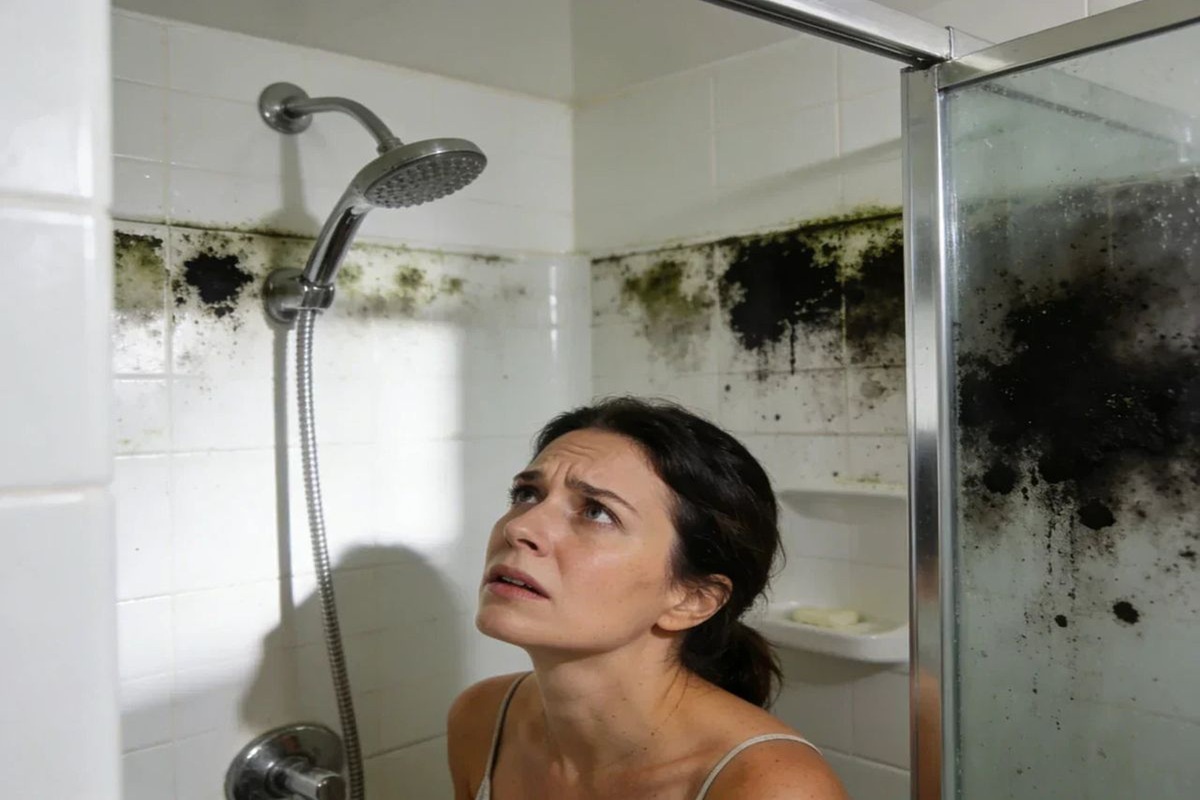
Black Mold is one of the most feared types of house mold- and for good reason. While not all molds are dangerous, dark, spreading mold growth inside your appartmentis a sign that action should be taken quickly.
In this guide, we explain:
- What black mold is
- Common signs of a mold problem
- When to be concerned and when to call a professional
- What a licensed mold assessor or remediation specialist does
What is Black Mold?
The term black mold commonly refers to Stachybotrys chartarum, a type of mold that thrives in damp, humid environments. Although many molds can appear dark in color, true black mold typically has greenish-black spores.
Black mold commonly grows on:
- Wet drywall
- Areas affected by plumbing leaks
- Flood-damaged walls or flooring
- Surfaces with long-term condensation
Because many New York City apartments are older and often have humidity or ventilation issues, mold growth is more common, especially when moisture is not properly controlled.
Common Signs You Might Have Black Mold
You don’t need special equipment to recognize many signs of mold. Here are the most common indicators:
1. Dark or Black Spots on Walls, Ceilings, or Floors
Clusters of black, green, or gray spots, especially near water sources, corners, or windows, may indicate mold growth.
2. Musty or Earthy Odors
Mold produces a distinctive smell. If your apartment smells damp or musty even after cleaning, mold may be present behind the walls or under the flooring.
3. Water Damage or Paste Leaks
Even repaired leaks can leave behind moisture that allows mold to develop. Look for:
- Stained or discolored drywall
- Bubbling or peeling paint
- Soft, warped, or deteriorating surfaces
4. Health Symptoms That Occur Indoors
Some people experience symptoms when exposed to mold, including:
- Nasal congestion
- Coughing or throat irritation
- wheezing
- Headaches
- Alergic reactions
If symptoms improve when you leave your apartment, mold exposure may be a contributing factor.
How Mold Develops in Apartments
Mold needs moisture and organic material to grow. In apartment buildings, common moisture sources include:
- Humidity from cooking or showering
- Poor ventilation
- HVAC systems
- Roof or plumbing leaks
- Flooding or water intrusion
Without proper drying and airflow, even minor moisture issues can eventually lead to mold growth.
When to Call a Professional
Not all mold problems can be solved with household cleaners. You should contact a licensed mold assessor or remediation specialist if:
- Mold covers more than a small area
- Mold keeps returning after cleaning
- You suspect mold behind walls or ceilings
- There is a persistent musty odor with no visible source
What a Licensed Mold Assessment Involves.
A professional mold assessment typically includes:
- A detailed visual inspection
- Moisture detection and mapping
- Air quality sampling
- Surface testing when necessary
- A written report with findings and recommendations
This process helps determine:
- The type of mold present
- Where it is growing
- The extent of the issue
- The appropriate next steps
What Mold Remediation Means
Mold remediation is more than surface cleaning. It is a controlled and safety-focused process that includes:
- Containment to prevent cross-contamination
- Removal of contaminated materials
- Drying and dehumidification
- HEPA vacuuming and air filtration
- Post-remediation verification
Proper remediation treats mold as a health and safety issue, not just a cosmetic problem.
How to Prevent Mold in an Apartment
Preventing mold starts with controlling moisture.
Control Moisture
- Use exhaust fans in kitchens and bathrooms
- Repairs leaks promptly
- Dry wet surfaces immediately
Improve Ventilation
- Open Windows when possible
- Use dehumidifiers in damp areas
- Maintain airflow through the apartment
Monitor for water Damage
Regularly inspect walls, ceilings, and floors for signs of moisture or water damage.
Final Thoughts
Black mold can be serious, but it can be addressed effectively when identified early. If you suspect mold—whether through visible growth, odors, or health symptoms—taking prompt action can protect both your health and your living space.
At Shweet Mold Services, we proudly serve New York City residents with:
- Licensed mold inspection and assessment
- Professional mold remediation
- Reliable solutions for healthier indoor environments
Contact us today to schedule a mold assessment.